
18mm vs 75mm: How We Choose Lenses for Inspire 3 Aerial Cinematography


When most people think of a drone shot, they picture something high and wide. We fly plenty of those, and they look great. But on film and TV sets, some of the shots directors like most from our Inspire 3 look nothing like that. The frame is tight, the skyline sits huge behind the subject, and the drone is so far back you'd never guess one was in the air.
Same drone, same camera. The difference is the lens.
As a drone services company in Toronto, we fly the DJI Inspire 3 with the Zenmuse X9 8K Air and carry the full set of DL lenses for it: 18mm, 24mm, 35mm, 50mm and 75mm. In this post we're looking at the two ends of that range, the 18mm and the 75mm, and how we use each one on set.
A Cinema Camera That Happens to Fly
The X9 8K Air is a full frame camera that records up to 8K RAW with more than 14 stops of dynamic range. Skies and shadows hold their detail, which gives our colourist a lot to work with in the grade.
The big thing for us is that the lens comes off. Most drones are stuck with one focal length, but the Inspire 3 uses DJI's DL mount, so we can pick a lens for the shot just like a ground camera team would.
18mm: When the Shot Needs Scale
The DL 18mm F2.8 is ultra wide. It is even wider than the look most people expect from drone footage which is typically around 24mm. We use it for establishing shots, big reveals, skylines and landscapes, and for tracking a car or boat up close while still showing everything around it. It's also our go to lens for real estate drone video, construction drone services and aerial photography, where the client wants the whole property or site in one frame.
Wide lenses are forgiving too. Small bumps in the flight path barely show on screen, so the pilot can fly faster, more aggressive moves and still get a clean take.

75mm: When the Shot Needs Drama
The DL 75mm F1.8 is the fastest lens DJI makes for this mount. Put it on the Inspire 3 and you basically have a flying telephoto camera.
At 75mm the background compresses, so skylines, mountains and buildings look bigger and closer behind the subject. At F1.8 the depth of field is shallow, so the subject really pops. The shot ends up looking more like a long lens on a crane or cable cam than a drone.
It also gives us distance. The 75mm fills the frame from far back, so we can get tight shots and still stay well clear of cast, crew and the public. At events, where the Inspire 3 works the perimeter instead of flying over the crowd, it is how we still bring the viewer up close. The same reach makes it one of our favourite tools for sports drone videography, where we follow the action from the sidelines instead of flying over the field.

What the Long Lens Asks of the Crew
The 75mm isn't a lens you just put on and go. It magnifies every movement, so even a tiny stick input shows up on screen, and focus at F1.8 leaves almost no room for error. Here's what makes it work for us on set.
A Three Person Crew: On film and TV jobs we fly the Inspire 3 with a pilot, a camera operator and a visual observer who doubles as our drone tech. The pilot owns the aircraft and the flight path. The camera operator owns the gimbal, framing and focus from a second controller. The visual observer keeps eyes on the aircraft and the airspace, watches the batteries and handles lens swaps and media between flights. That's how we land a smooth 75mm move in a take or two instead of ten.
Planned Lens Swaps: The X9 uses a locking lever to clamp the lens in place, and DJI requires counterweights on the gimbal's tilt and yaw axes whenever the 75mm is mounted. We build that time into the schedule and group shots by lens when we can, so a swap never holds up the day.
Protected Media: 8K RAW fills drives fast. The Inspire 3 records to DJI PROSSD 1TB drives, and we run five of them labelled 1 to 5, so at a glance we know which drive is in the drone, which is with the DIT and which are backed up and ready to go again.
You can read more about how we prep for productions in Beyond the Flight: Why Leading Producers Trust First Class Drones.

Which Lens Does Your Shot Need?
Establishing shots, reveals, landscapes and cityscapes: 18mm
Fast tracking shots close to cars or boats: 18mm
Tight shots of a subject with a dramatic background: 75mm
Shots where the drone needs to stay far from cast, crew or crowds: 75mm
Slow, cinematic pushes and parallax moves: 75mm
Whether you need drone videography for a feature, aerial videography for a commercial or drone photography for a brand campaign, the lens you pick changes the whole shot. For anything in between, we usually start on the 35mm. Not sure what fits your scene? Tell us about the location and the look you're going for, and we'll recommend the right lens and setup. See more of our aerial cinematography, browse our fleet, or contact us to start planning your shoot.
Frequently Asked Questions
What lenses work with the DJI Inspire 3?
The Zenmuse X9 8K Air uses DJI's DL mount, which supports the DL 18mm, 24mm, 35mm, 50mm and 75mm lenses. We carry all five. The 18mm and 75mm cover the two extremes, and the 24mm, 35mm and 50mm fill in the middle. The 35mm is my personal favourite, and it ends up being the best fit for most shots and DP requests.
What is the difference between an 18mm and a 75mm drone shot?
The 18mm is ultra wide and shows scale, which makes it ideal for establishing shots, reveals and tracking shots. The 75mm is a telephoto lens that compresses the background and isolates the subject, giving a tighter, more cinematic look.
Why use a telephoto lens on a drone?
A telephoto lens lets the drone fill the frame from further away. That means tight, dramatic shots while keeping a safe distance from cast, crew and crowds, and less drone noise near performers.
Can the Inspire 3 fly over people?
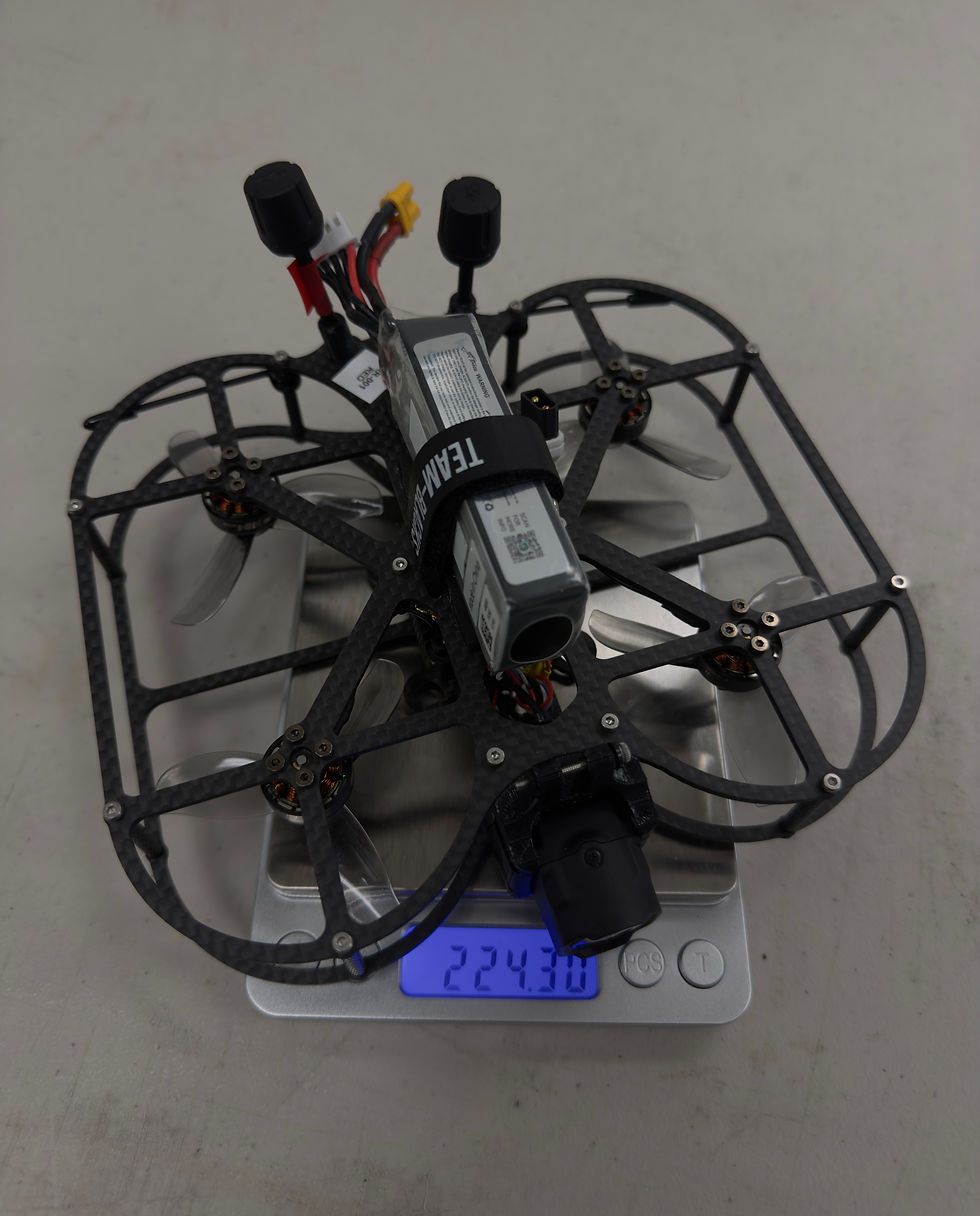
No. There is no Transport Canada approved parachute system for the Inspire 3, so we never fly it over people. At events and on busy sets, we fly it around the perimeter, and the 75mm lens lets us capture tight shots from there. For shots directly over a crowd, we switch to FPV drone videography with our sub 250g FPV drones, or to larger drones fitted with approved parachutes.
What resolution does the Inspire 3 shoot?
The Inspire 3 with the Zenmuse X9 8K Air records up to 8K RAW video on a full frame sensor, with more than 14 stops of dynamic range. It's built for film, TV and commercial work.
How do you manage footage on set?
The Inspire 3 records to DJI PROSSD 1TB drives. We run five numbered drives so it's always clear which one is in the drone, which one is with the DIT and which ones are backed up and ready to reuse.
Do you offer Inspire 3 aerial cinematography outside Toronto?
Yes. First Class Drones is based in Toronto, and like most drone companies in Canada that work in film and TV, we travel for the job. Our team provides drone filming services, drone aerial filming and drone inspections across the country. Whether you need a drone photographer in Toronto or a full aerial crew on location, get in touch.
__________________________________________________________________________________
Blog Written by:

Josh Dusang
Head of Business Development
Bio:
Josh has built a strong creative and technical foundation in digital media, technology, and aerial cinematography from a young age. With experience in video editing, drone operations, ground cinematography, and sound design, he brings both technical expertise and creative perspective to every project.
Today, Josh serves as a Pilot, Editor and The Head of Business Development at First Class Drones. He is excited about the future of drone technology and looks forward to the innovative projects on the horizon for First Class Drones.

Comments