
FPV Drone Videography at Concerts: Why We Fly Sub 250g Drones

The lights drop, the crowd roars, and the camera dives in from the back of the room. It skims across the crowd, threads under the lighting truss and pulls up just as the artist hits the first note. No cuts. One continuous move.
That shot comes from an FPV drone, and it has quickly become one of the most requested shots we fly at concerts, festivals and live events. Most people are surprised when they see the drone that captured it. It fits in the palm of your hand and weighs less than a full can of pop.
Here is why we fly small, what goes into planning a show, and what every event organizer should know before booking a drone.

What makes FPV different
Most camera drones are built to be steady. They hover, glide and capture the wide shot that shows how big the venue and crowd really are. That shot still has its place.
FPV is a different tool. The pilot flies through goggles, seeing exactly what the drone sees in real time, with full manual control. That means quick direction changes, tight gaps and moves that feel like you are flying through the show instead of watching it from above. It is the same reason FPV drone videography works so well for music videos, festival aftermovies and sports drone videography. It puts the viewer right in the middle of the energy.
Why our concert drone weighs under 250 grams
When you are flying near a stage full of performers and a room full of people, size matters. A smaller drone carries less energy, makes less noise and is far less distracting for the artist and the crowd. It also fits into spaces a bigger drone never could.
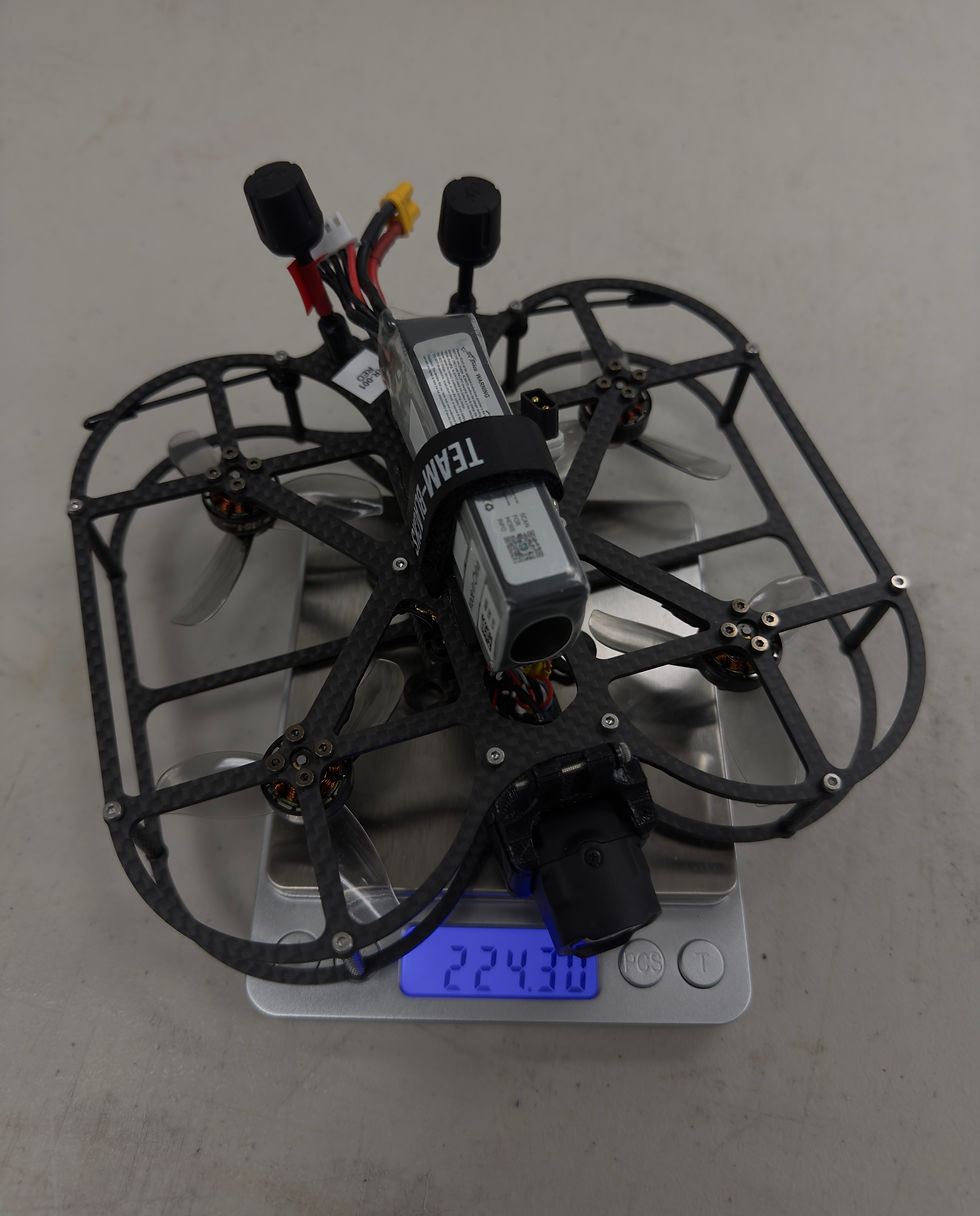
Our go to concert build is the RR Sub250 Armadito, a 2.5 inch FPV drone designed to stay under the 250 gram limit. We record directly on the DJI O4 Pro air unit instead of strapping a GoPro on top.
That last part matters more than it sounds. Transport Canada counts anything attached to the drone toward its operating weight, including cameras and prop guards. A GoPro is one of the easiest ways to push a small build over 250 grams without noticing. Recording on the O4 Pro keeps the drone light and keeps every show consistent.
The rule most people do not know about
This is where a lot of people get caught. Drones under 250 grams, which Transport Canada calls microdrones, don't need to be registered and don't need a pilot certificate for most flying. So it is easy to assume a small drone can fly anywhere.
At events, it can't. Since April 1, 2025, Transport Canada has required a Special Flight Operations Certificate (SFOC) to fly any drone at an advertised event, microdrones included. An advertised event is any outdoor event promoted to the public, like a concert, festival, market or sporting event. Flying within 30 metres of the event boundaries counts as flying at the event, and getting it wrong can mean fines of up to $1,000 for individuals and up to $15,000 for corporations.
The good news is the paperwork doesn't have to hold your event up. In our experience, approval can come through in as little as five days when the application goes in on time. Transport Canada says review can take up to 30 working days, and there has been a fee to apply since November 4, 2025, so the sooner we have your date, venue and shot list, the better.
Indoor shows in arenas and theatres come with their own approvals from the venue, promoter and production team, and we work through those on every job too.
What happens before the drone takes off
The shot you see on screen is the result of a lot of prep. A small drone doesn't mean a small plan, so we run every concert like any other professional drone operation.
Walk the venue. We look at the stage, lighting truss, LED walls, pyro and crowd areas to map out where the drone can safely fly and where it can't.
Plan the shots with production. We match the moves to the set list with the director or producer, so the big moments land on the right song.
Brief everyone. Security, the stage manager and the artist's team all know when and where the drone will be in the air.
Run a signal test. Concert venues are packed with radio interference from LED walls, wireless mics, in ear monitors and thousands of phones. We check our video and control links across the whole flight path before committing to a shot.
Do a test flight. We fly the planned moves before doors open, ideally during soundcheck or rehearsal, so the pilot knows the route and production sees exactly what they are getting.
Fly with a spotter. A pilot in goggles can't see what is around them, so every flight has a dedicated spotter watching the drone and the space around it.
Plan the batteries. Small FPV drones have short flight times, so we bring plenty of charged packs and build the shot list around each one.
From the goggles to the final edit
Once the show wraps, the footage comes straight off the O4 Pro and into post. We stabilize it in Gyroflow, which uses the motion data recorded during the flight to smooth out vibration and level the horizon without losing that raw FPV feel.
From there it gets colour graded and cut into whatever the client needs, from a full aftermovie to vertical clips ready for Instagram and TikTok. For most events, those quick social cuts are the first thing people ask for.


Bring FPV to your next event
If you are planning a concert, festival or live event in Toronto or anywhere in Canada, reach out early. Send us your date, venue and the kind of shots you have in mind, and we will handle the flight planning, testing and Transport Canada approvals so you can focus on the show.
See more of our work on our FPV drone videography and event videography pages, or contact us to get started.
__________________________________________________________________________________
FAQ: FPV Drones at Concerts and Live Events
What is FPV drone videography?
FPV stands for first person view. The pilot flies through goggles with a live feed from the drone's camera, which allows fast, close and continuous moves that a standard camera drone cannot do. It is used for concerts, music videos, sports, real estate fly throughs and brand content.
Can you fly a drone at a concert in Canada?
Yes, with the right approval. Since April 1, 2025, Transport Canada requires a Special Flight Operations Certificate (SFOC) to fly any drone at an advertised event, including concerts, festivals, markets and sporting events. A professional drone services company will handle that application for you.
Do sub 250g drones need an SFOC at events?
Yes. Microdrones under 250 grams usually do not need registration or a pilot certificate, but they still need an SFOC to fly at an advertised event. Flying within 30 metres of the event boundaries counts as flying at the event.
How far in advance should I book a drone for my event?
As early as you can. When the paperwork is submitted in time, approval for an advertised event can come through in as little as five days. Transport Canada says review can take up to 30 working days, so the more notice you give us, the better.
Why use a small FPV drone at a live event?
A sub 250g FPV drone is lighter, quieter and less distracting for performers and the crowd. It can still capture fast, cinematic moves through the venue while carrying far less risk than a larger cinema drone.
Can FPV drones fly indoors at concerts?
Yes. Small FPV drones are well suited to arenas, theatres and other indoor venues. Indoor flights need approval from the venue, promoter and production team, and we plan every move around the stage, lighting and crowd.
Do you need a GoPro on an FPV drone?
Not always. We record directly on the DJI O4 Pro air unit, which keeps our concert drones light and under 250 grams. Anything attached to the drone, including a GoPro, counts toward its operating weight.
Can you deliver footage for social media?
Yes. We stabilize our FPV drone footage in Gyroflow, colour grade it and deliver everything from full long cuts to vertical clips for Instagram and TikTok.
Do you offer FPV drone videography outside Toronto?
Yes. First Class Drones is based in Toronto and flies FPV drone videography and drone filming services across Canada for concerts, festivals, sports and live events.
__________________________________________________________________________________
Blog Written by:

Josh Dusang
Head of Business Development
Bio:
Josh has built a strong creative and technical foundation in digital media, technology, and aerial cinematography from a young age. With experience in video editing, drone operations, ground cinematography, and sound design, he brings both technical expertise and creative perspective to every project.
Today, Josh serves as a Pilot, Editor and The Head of Business Development at First Class Drones. He is excited about the future of drone technology and looks forward to the innovative projects on the horizon for First Class Drones.

Comments