
Top 10 Dos and Donts When Operating Drones in Canada

Are you searching for a Toronto based drone photographer to capture stunning aerial photography or looking to conduct a complex drone inspection on an active job site? Before anyone takes to the skies, you have to understand the operational rules. Transport Canada heavily regulates our airspace to keep manned aviation and the public safe. Whether you are a hobbyist flying on the weekend or you represent one of the top drone companies in Canada, playing by the rules is a strict legal requirement.
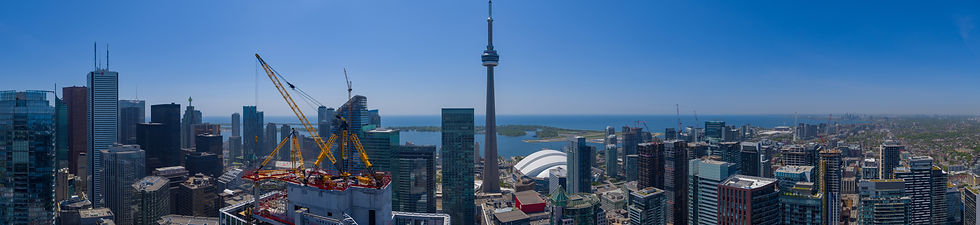
As a leading drone photography provider and commercial operator, we constantly get questions about what is and is not allowed. We put together this definitive guide of the top ten do's and don'ts for flying safely and legally based on real world field experience.
The Top 5 Dos
1. Do Register Your Drone and Get Certified
If your drone weighs 250 grams or more, you must register it on your Transport Canada Account and clearly mark the registration number on the aircraft body. You also need to pass a written Transport Canada exam to get either your Basic or Advanced pilot certificate. Certified pilots actually understand how to read airspace maps and know how to safely execute everything from a simple real estate drone video to complex drone construction monitoring without putting people at risk.
2. Do Maintain Visual Line of Sight
You must always be able to see your aircraft with your own eyes. Staring at the video feed on your controller screen does not count. This ensures you can spot approaching helicopters or weather changes and avoid collisions. When we are hired as a drone team for a large scale film production, we always bring trained visual observers who monitor the airspace over radio comms while the pilot focuses on the shot.
3. Do Check Your Airspace Before Every Flight
Never assume the sky is clear. You must use the NAV Drone app and ensure you are not flying in restricted airspace. This level of planning is absolutely critical for a drone services company operating in busy urban environments where the airspace is incredibly crowded.
4. Do Respect Bystander Distances
If you are performing real estate drone videography or general drone aerial filming, basic operations require you to stay at least 30 meters away from all bystanders. If you need to fly closer than 30 meters, you must hold an Advanced Pilot Certificate and fly a drone that possesses a specific safety assurance declaration from Transport Canada.
5. Do Hire Experts for Complex Operations
If you need an aerial filming drone for live aerial drone coverage, drones for filming sports, FPV fly through drone services, or Event Videography at large public gatherings, do not risk doing it yourself. You need to hire a professional drone service. At First Class Drones, we hold the advanced certificates and Standing license for Advertised Events required for these exact operations. If you are searching for the best drone services Canada has to offer, working with an experienced aerial drone service provider guarantees compliance and gives your production team total peace of mind.

The Top 5 Donts
1. Dont Fly Higher Than 400 Feet
Unless you have a specific Special Flight Operations Certificate granting higher altitudes, you must keep your aircraft below 400 feet above the ground. Manned aircraft like Cessna planes and medical helicopters operate just above this ceiling, so staying low prevents catastrophic collisions. Our pilots monitor telemetry screens closely during every aerial drone photography, drone videography, and Live Aerial Coverage session to lock in safe altitudes.
2. Dont Interfere with Emergencies
Never fly your drone near emergency sites like traffic accidents, police perimeters, or active wildfires. Unauthorized drones can force firefighting helicopters to ground themselves and put lives at risk. Any reliable drone inspection services provider will immediately land their equipment if emergency responders arrive in the immediate area.
3. Dont Fly Near Airports or Heliports
Keep your drone far away from active runways. A standard basic pilot must stay 5.6 kilometers away from airports and 1.9 kilometers away from heliports. If you need construction drone services near these zones, you must hire an advanced pilot who can coordinate directly with NAV CANADA air traffic control for specialized permission.
4. Dont Ignore Micro Drone Rules
Many people think drones under 250 grams have zero rules. That is entirely false. Transport Canada still mandates that you cannot fly a micro drone in a reckless or negligent manner that endangers people. Furthermore, as of recent Transport Canada updates, if you want to fly a micro drone at an advertised event, you now need an SFOC. So if you are doing fpv drone videography with tiny drones at a music festival, you still need proper legal paperwork.
5. Dont Take Risks with Amateur Operators
The penalties for breaking Transport Canada rules are incredibly severe. Fines can reach up to $3000 for individuals and $15000 for corporations for flying unsafely. Whether you need drone real estate photography, detailed drone inspections, or comprehensive drone aerial filming, always use vetted professionals who carry proper aviation liability insurance.
To learn more about how we handle safe flight operations and specialized rigging, check out the other guides on the First Class Drones Blog. When you need drones services in Canada, FPV drone fly through services, aerial videography, real estate videography, or Drone security, we are ready to elevate your next project.

__________________________________________________________________________________
Frequently Asked Questions
Do I need a license for a drone under 250 grams?
If your drone weighs less than 250 grams, you do not need a Transport Canada drone pilot certificate. However, you must still follow the rules for micro drones. This means you cannot operate the aircraft in a reckless or negligent manner that endangers aviation safety or the safety of anyone on the ground. If you plan to capture fpv drone videography at an advertised event using a micro drone, you still need proper legal paperwork and approvals.
What happens if I fly near an emergency like a wildfire?
You must never fly near emergency sites, traffic accidents, or active wildfires. Unauthorized aircraft can force firefighting helicopters and first responders to ground their operations, putting lives at immediate risk. Any professional drone services company will land their equipment immediately if emergency personnel arrive in the area.
How much are the fines for breaking Transport Canada rules?
The financial penalties for unsafe flying are incredibly severe. Transport Canada can issue fines up to $3000 for individuals and $15000 for corporations for putting aircraft and people at risk. Flying an unregistered drone can result in corporate fines up to $25000. When you hire an expert drone photography provider for your real estate drone video or industrial shoot, you completely avoid these massive liability risks.
Do I need special paperwork to fly over crowds or events?
Yes. To perform drone aerial filming at an advertised event or public gathering, an operator must possess a Special Flight Operations Certificate. First Class Drones holds a Standing SFOC, which means we can secure airspace for major events and sports drone videography with incredibly fast turnaround times compared to standard operators.
How do I know if I am in restricted airspace before a flight?
You must always survey your operational area before takeoff. You should use approved tools like the NAV Drone app or the National Research Council site selection tool to check for controlled airspace, nearby airports, and heliports. If your project requires a detailed drone inspection within these restricted zones, you must hire an advanced certified pilot who can coordinate directly with air traffic control.
__________________________________________________________________________________
Blog Written by:

Josh Dusang
Head of Business Development
Bio:
Josh has built a strong creative and technical foundation in digital media, technology, and aerial cinematography from a young age. With experience in video editing, drone operations, ground cinematography, and sound design, he brings both technical expertise and creative perspective to every project.
Today, Josh serves as a Pilot, Editor and The Head of Business Development at First Class Drones. He is excited about the future of drone technology and looks forward to the innovative projects on the horizon for First Class Drones.


Comments