
First time drone flyer? A Beginner’s Guide from First Class Drones

Updated: Jan 26
Getting into drones has never been more exciting or more accessible. Whether you’re drawn by the idea of capturing cinematic footage, exploring new creative angles, or even considering a future in aerial mapping or inspections, the key is to start smart.
At First Class Drones, we’ve seen countless newcomers jump into flying without the right gear or knowledge, only to crash (literally or figuratively). So here’s our take on how to get started the right way. From choosing your first drone to learning the rules, getting licensed, and even stepping into FPV flying down the road.

Step One: Choose the Right Drone to Start With
When you’re new, the most important things are stability, ease of use, and safety features. At first stay away from raw power or cinematic specs. You want a drone that will forgive beginner mistakes while still capturing great footage.
Our Top Pick: DJI Mini Four Pro

The DJI Mini 4 Pro checks all the boxes for first-time pilots:
Lightweight (under 250g), so it’s easier to fly and falls under less strict regulations in Canada.
Obstacle avoidance sensors on all sides, helping prevent rookie crashes.
Excellent camera and gimbal stabilization, so even your first flights look smooth.
Return-to-home safety feature if you lose signal or orientation.
Affordable and compact, making it perfect for travel and everyday practice.
Why not start with a cheaper toy drone? You could, but low-end drones are often unstable, frustrating to fly, and lack GPS or gimbals. They can teach bad habits. The Mini 4 Pro is a proper training platform that can grow with you.
Step Two: Learn the Rules and Get Licensed
Flying a drone in Canada isn’t just about skill, it’s about knowing the Transport Canada regulations.
Understand the Basics:
Under 250g drones (like the Mini 4 Pro) can be flown recreationally with fewer restrictions, but you still must fly responsibly. Stay away from people, airports, and controlled airspace.
Drones over 250g require you to have a Basic or Advanced Drone Pilot Certificate.
Get Licensed Early
Even if your drone is under 250g, we recommend taking the Basic Pilot Certificate test online. It only costs $10 and teaches you essential airspace rules, weather awareness, and flight safety. It’s a small investment that instantly sets you apart as a responsible operator.
You can find all the info here: Transport Canada Drone Pilot Guide
Step Three: Practice with Purpose
Once you’ve got your drone, resist the urge to immediately fly over crowds or downtown skylines. Including the Rogers Centre and Rogers Stadium.
Start with:
Open fields or parks (check local bylaws first).
Short, controlled flights and practice hovering, rotating, and flying smooth circles.
Gradually move into camera movements: pans, reveals, and tracking shots.
Every pro pilot started in an empty field. The more you practice the fundamentals, the easier it’ll be when you start flying in more difficult situations.
Step Four: Learn the Industry
Drone flying today is a full-blown industry. From construction monitoring to marketing videos, there’s a ton of opportunity but also regulation and standards.
If you’re thinking of turning this into a business:
Learn about privacy laws and what you can (and can’t) record.
Understand airspace classifications and how to request flight authorizations.
Keep maintenance logs and follow checklist procedures like professionals do.
Consider insurance once you start commercial work.
At First Class Drones, our team operates under Transport Canada regulations for every project, ensuring compliance and safety across all jobs.
Step Five: Thinking About FPV? Here’s the Path
Once you’ve mastered stabilized drones, you might find yourself wanting more. More movement, more speed, more adrenaline. That’s where FPV (First Person View) comes in.
FPV drones let you fly using goggles that show a live video feed from the drone, making it feel like you’re in the cockpit. It’s cinematic, thrilling, and the foundation of those fast, dynamic “fly-through” videos you’ve seen online.
How to Get Into FPV:
Start with a simulator: programs like DRL Simulator help you learn without crashing real hardware.
Move to a beginner FPV kit, like the BetaFPV Cetus Lite RTF. It’s small, affordable, and built for crashes.
Understand FPV regulations: FPV still requires a visual line of sight (meaning you need a spotter).
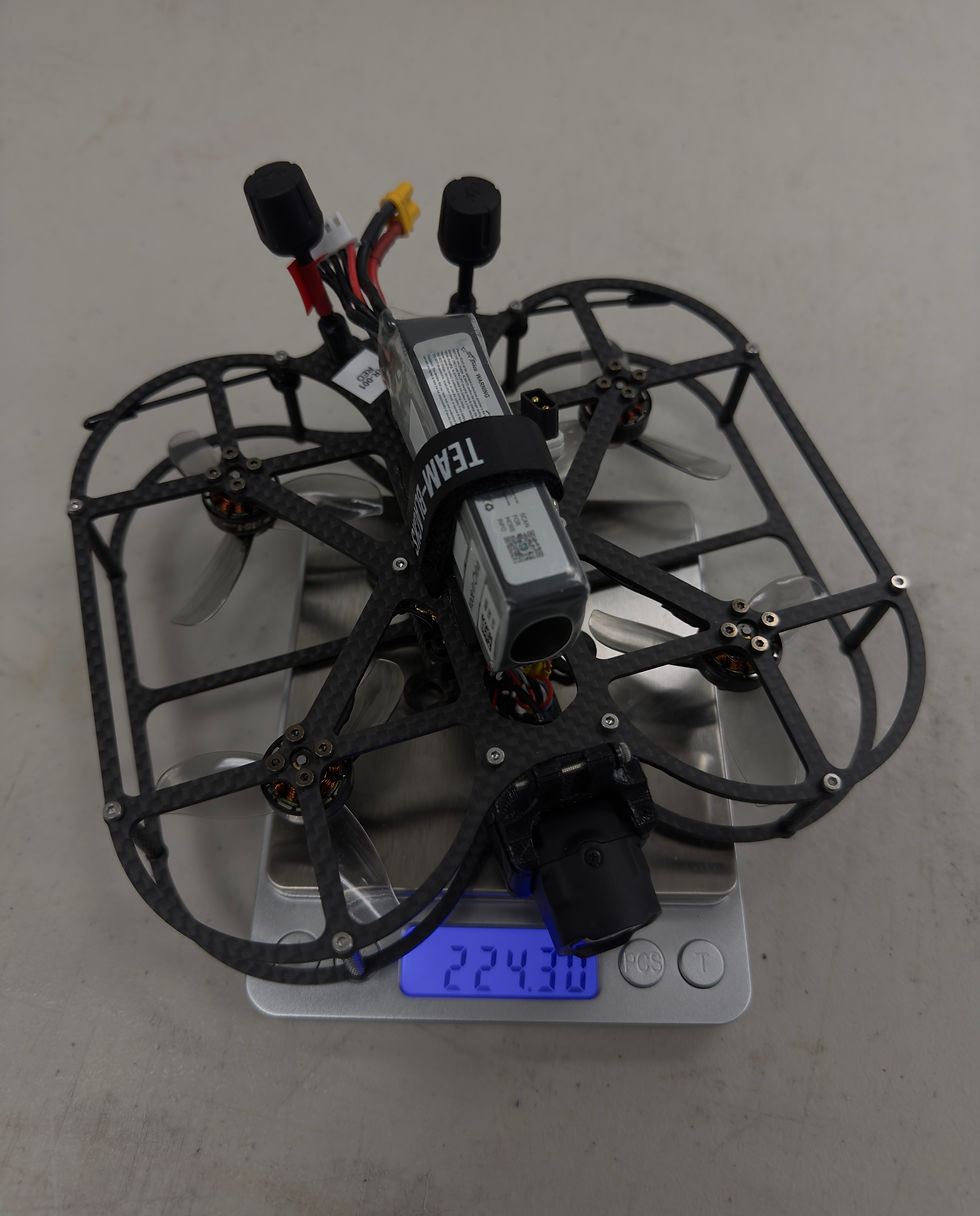
Once comfortable, upgrade to an professionally made FPV drone like GEPRC.
FPV is a new skill set. It’s fast, hands-on, and addictive. But when mastered, it unlocks a whole new level of creativity in drone cinematography.
To dive deeper into FPV, read Josh’s post detailing his journey as he got started in FPV.

Final Thoughts
Becoming a skilled drone pilot isn’t just about buying the right gear, it’s about understanding the ecosystem: safety, regulations, and practice. Start with a reliable drone like the DJI Mini 4 Pro, learn the rules, get licensed, and build good flying habits.
Once you’re confident, explore FPV and see where it takes you. Whether you’re shooting real estate, construction sites, or just flying for fun, flying responsibly sets you apart.
At First Class Drones, we believe every great pilot starts with curiosity and a commitment to do things the right way.

Blog written by:
David Polan
Director Of Business Development at First Class Drones
Bio:
David has been with First Class Drones for over six years, combining his passion for technology with a creative approach to aerial storytelling and business development. He has extensive experience piloting both traditional and FPV drones, bringing dynamic perspectives and cinematic precision to every project.
Today, David serves as Head of Business Development and Senior Pilot at First Class Drones. He is excited about the future of drone technology and looks forward to the innovative projects on the horizon for First Class Drones.


Comments